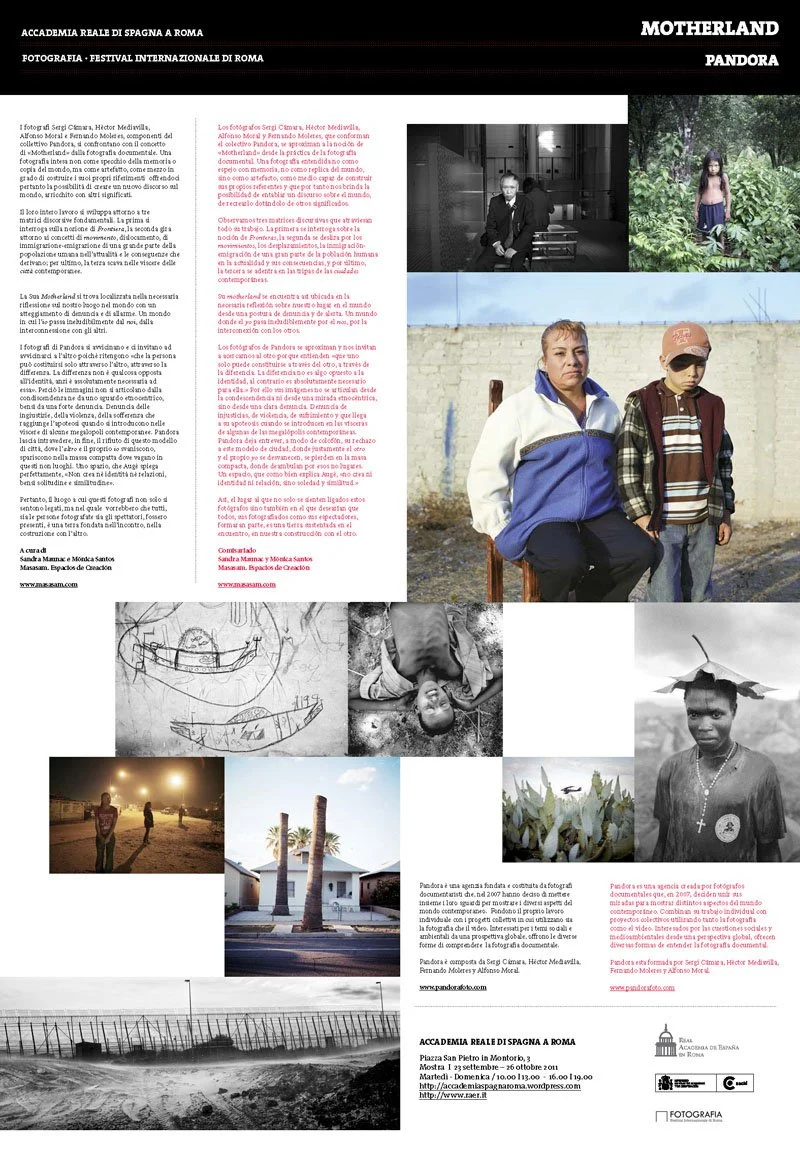
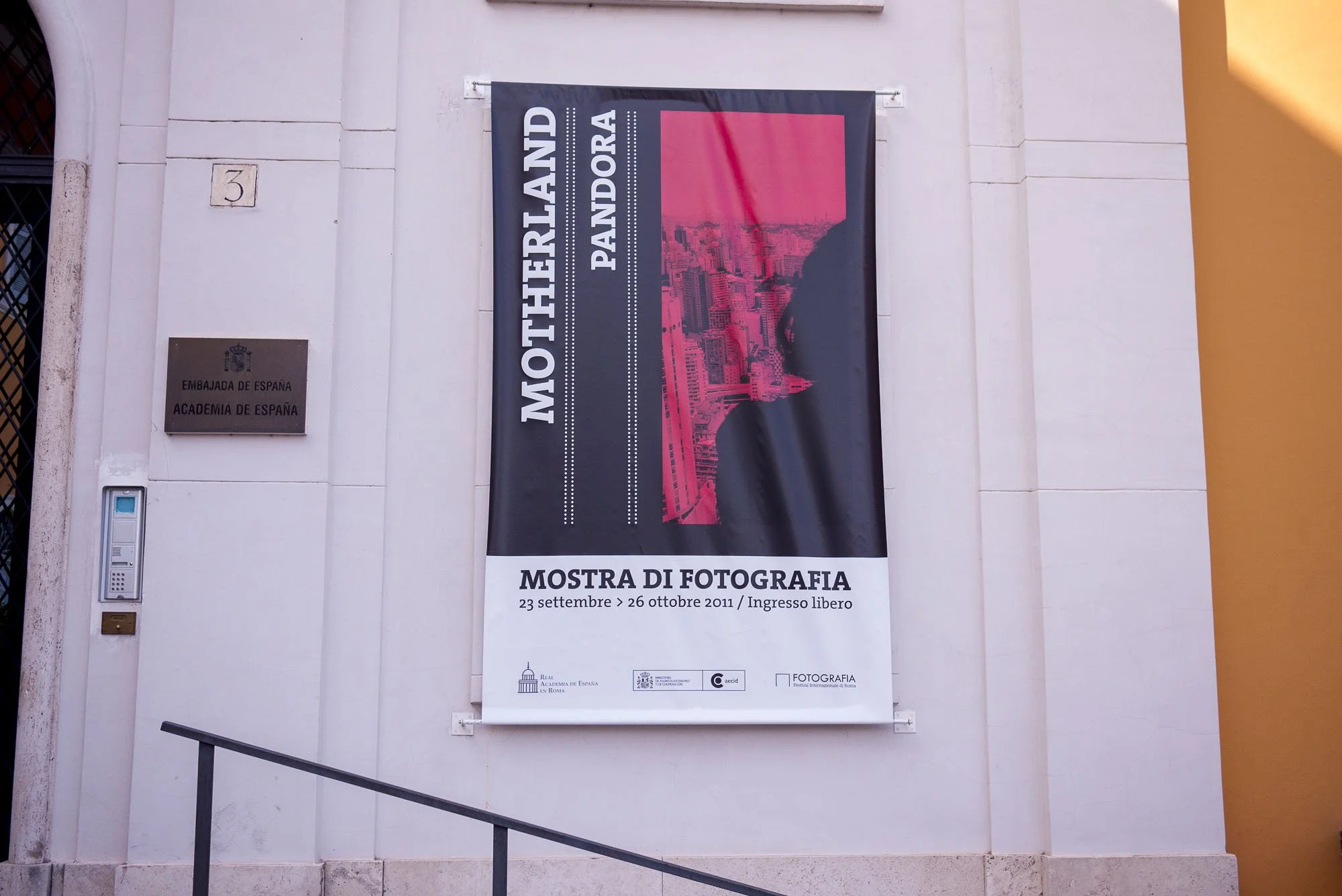
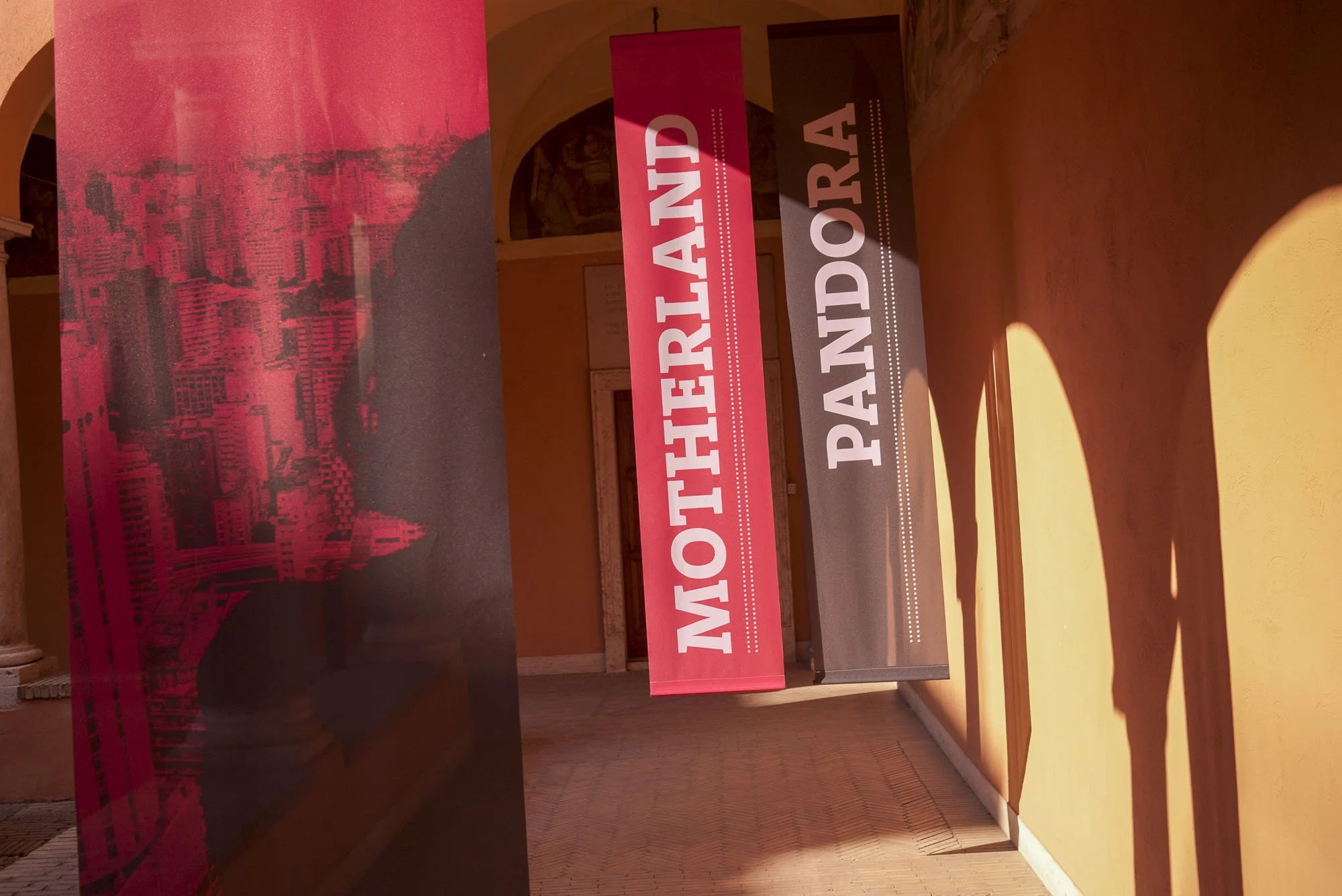
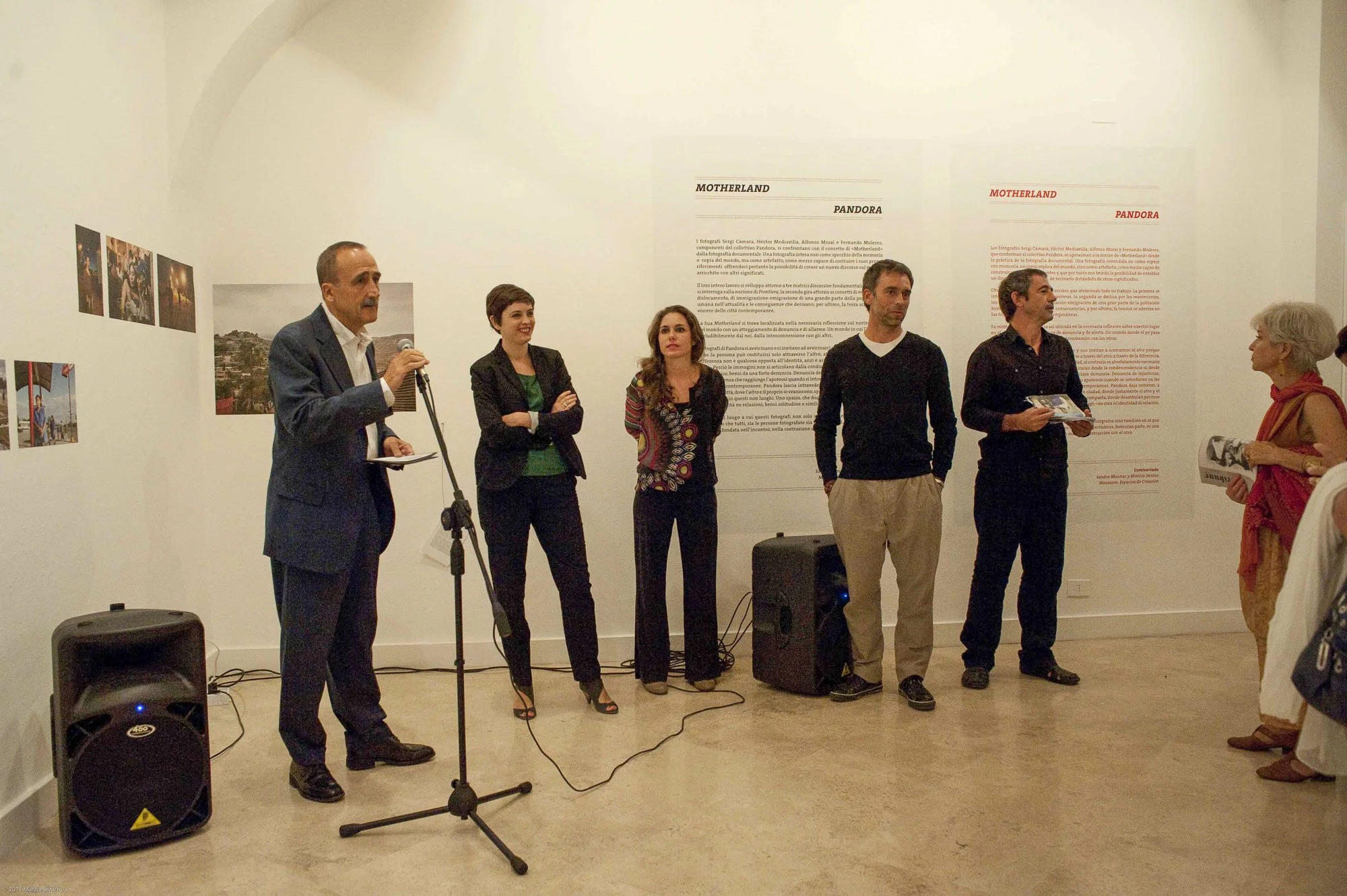
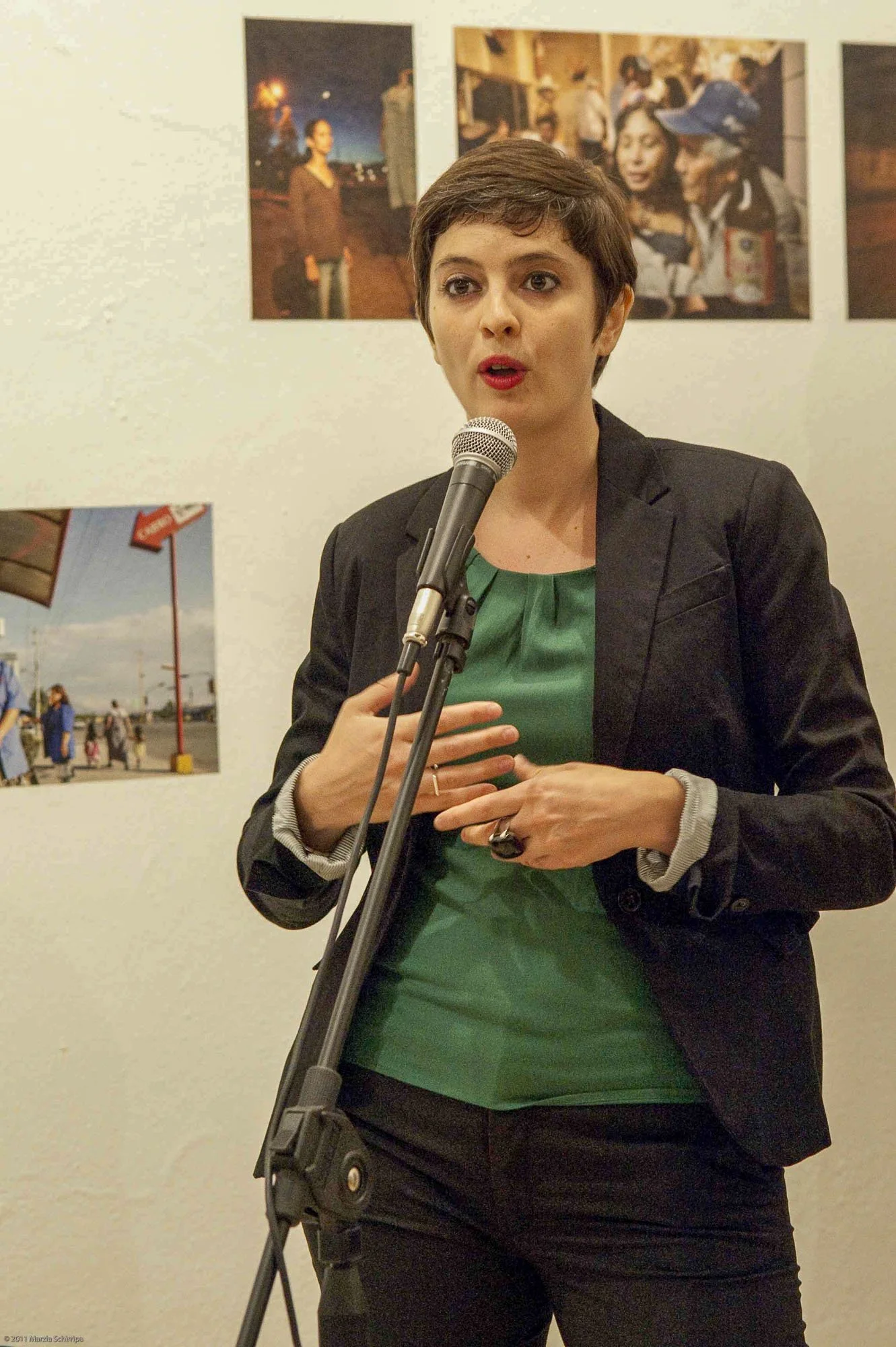
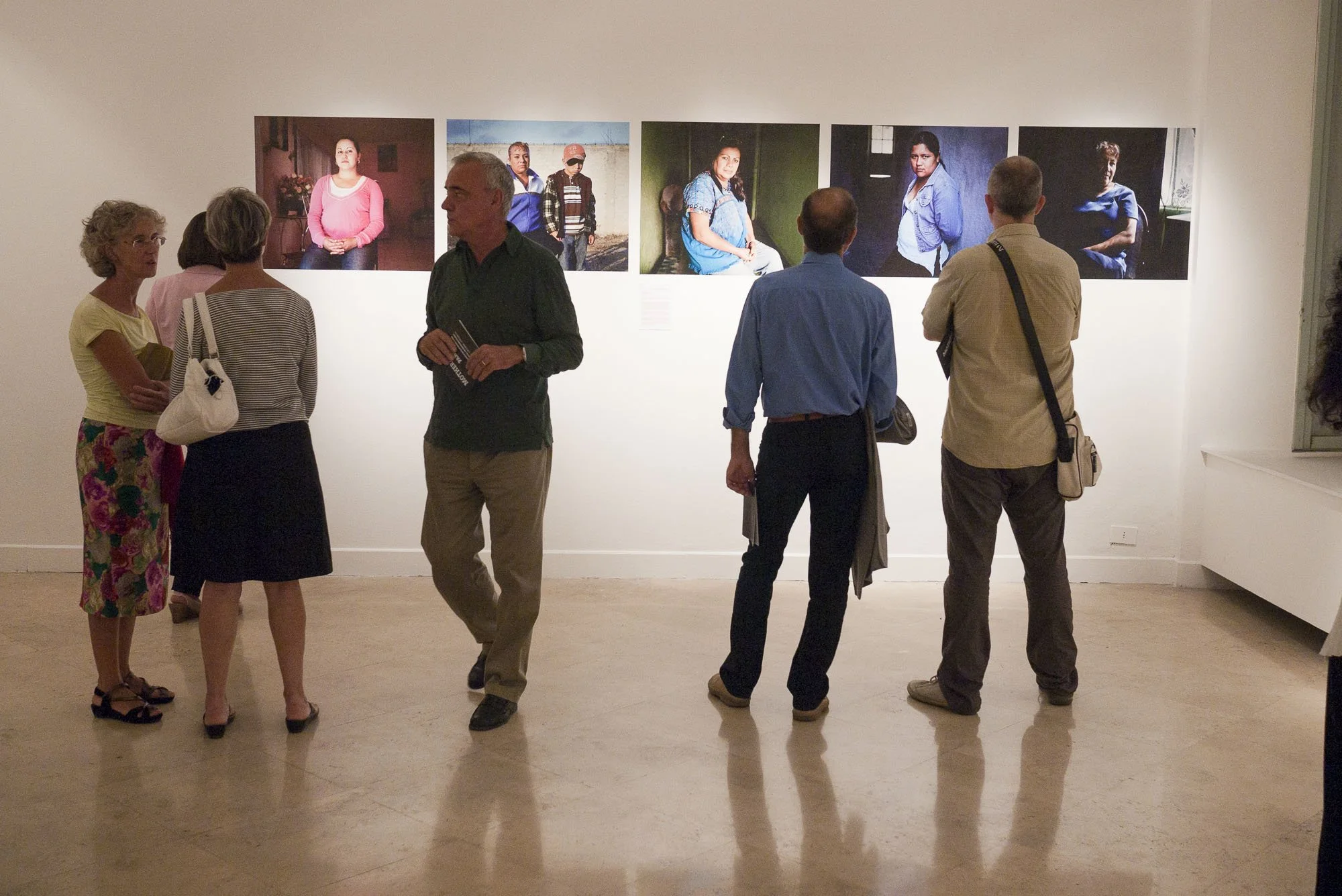
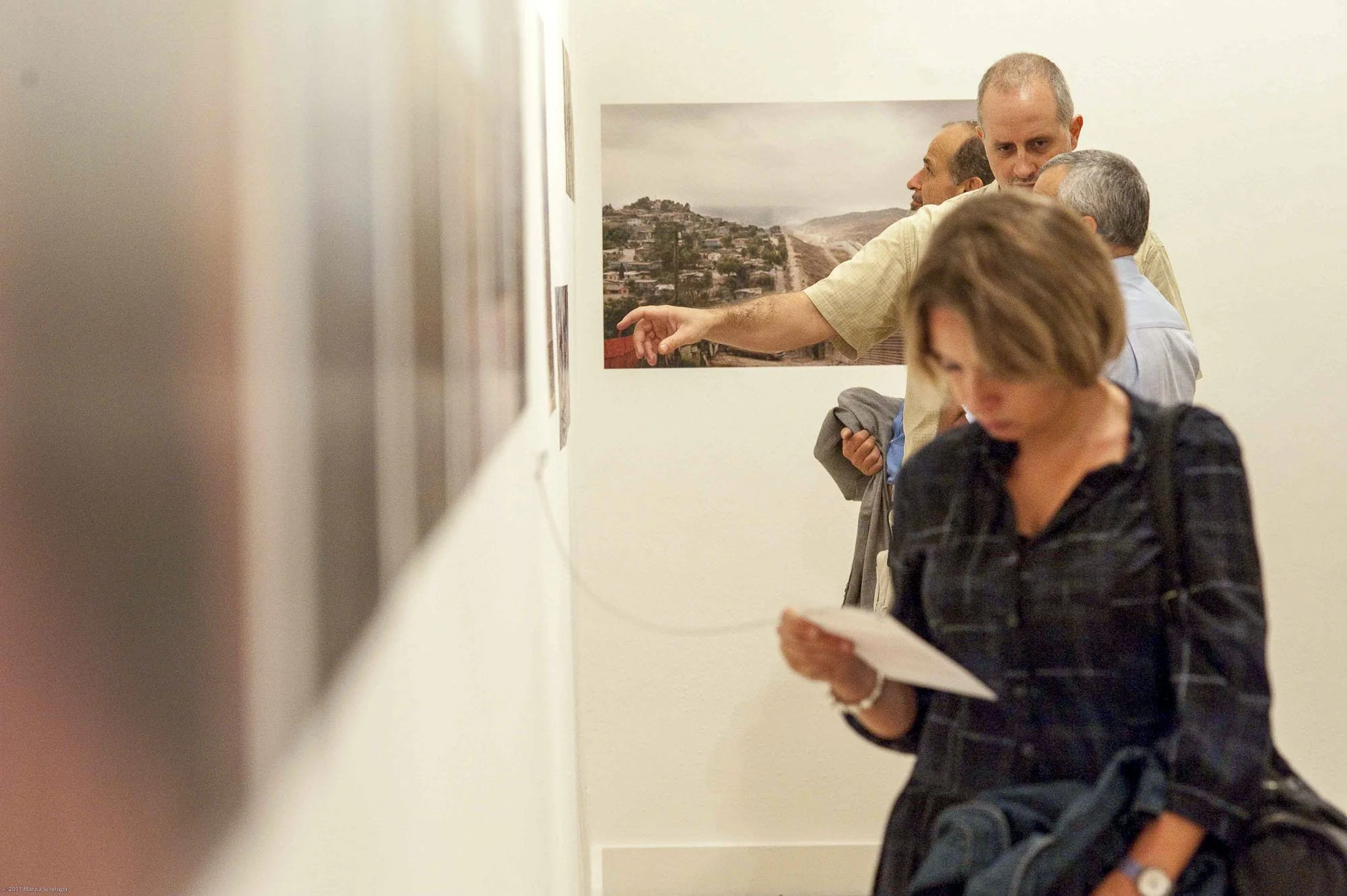
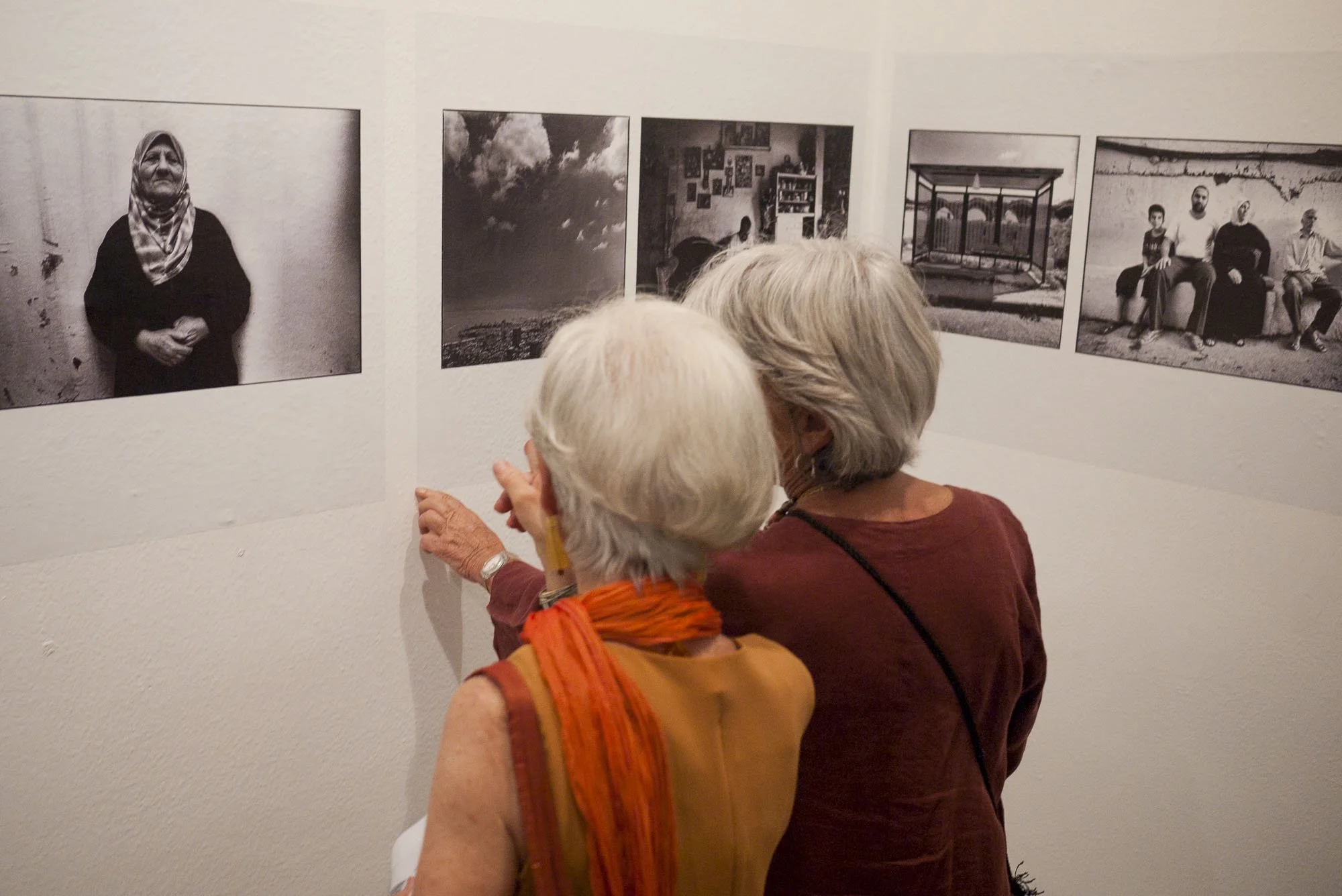
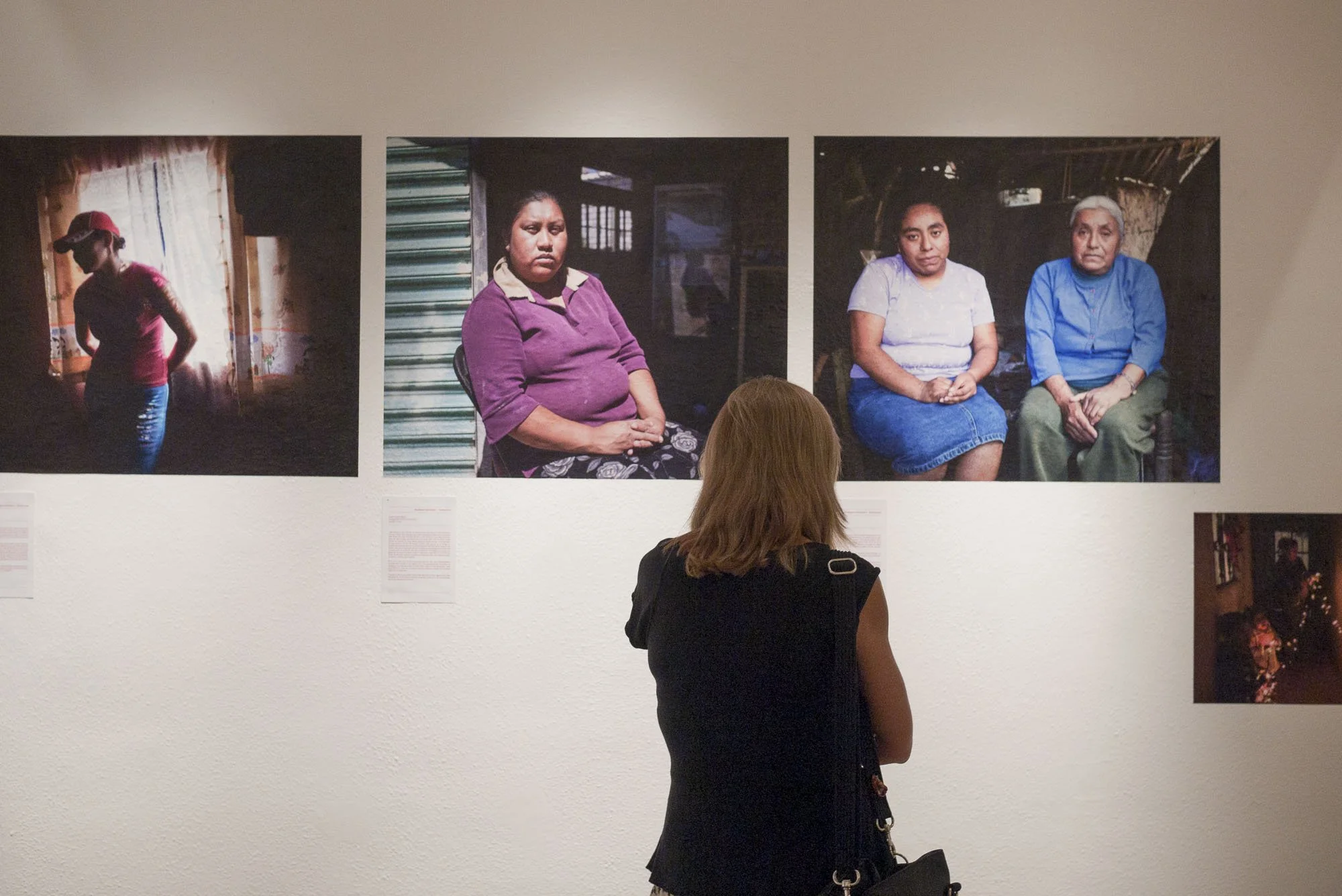
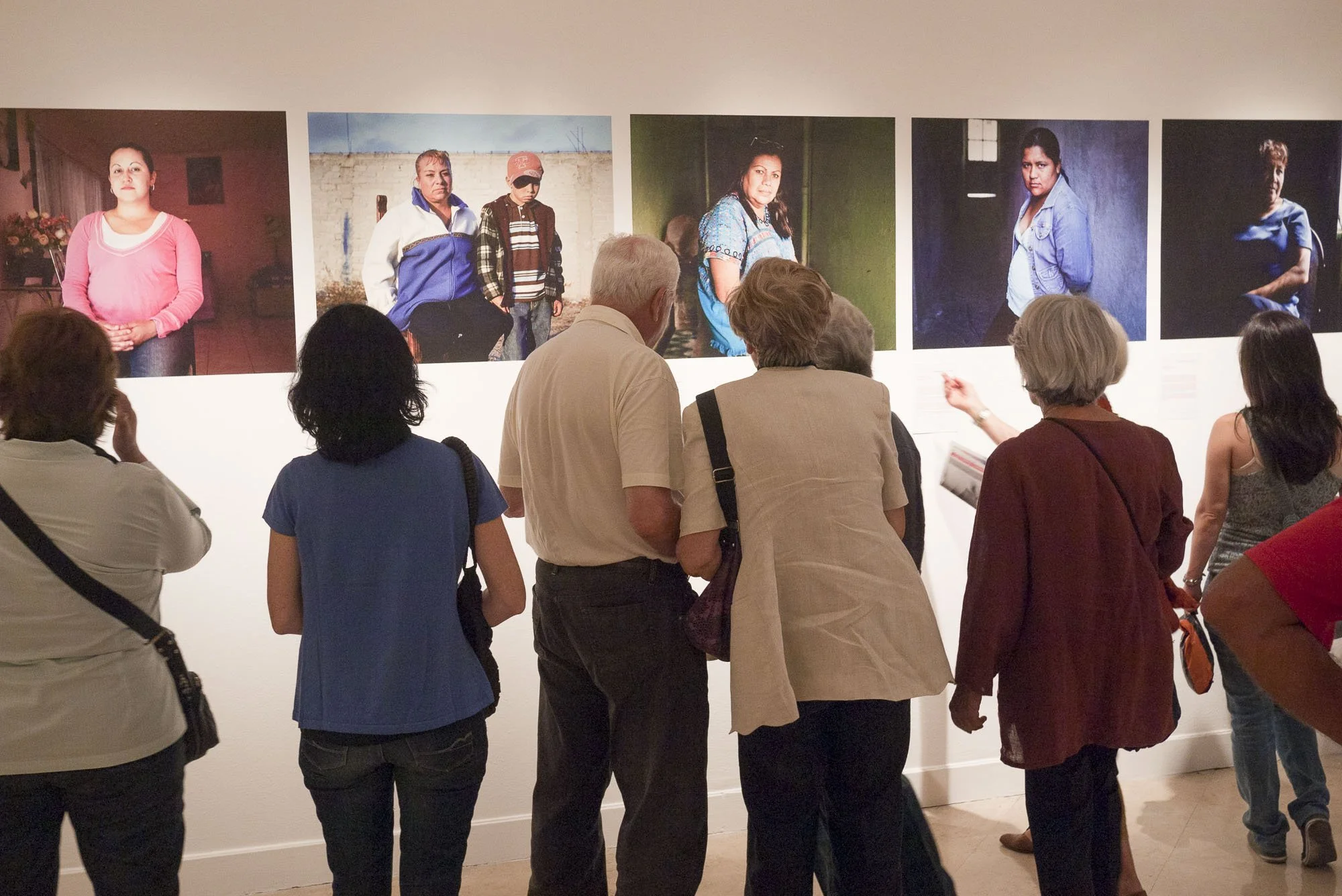
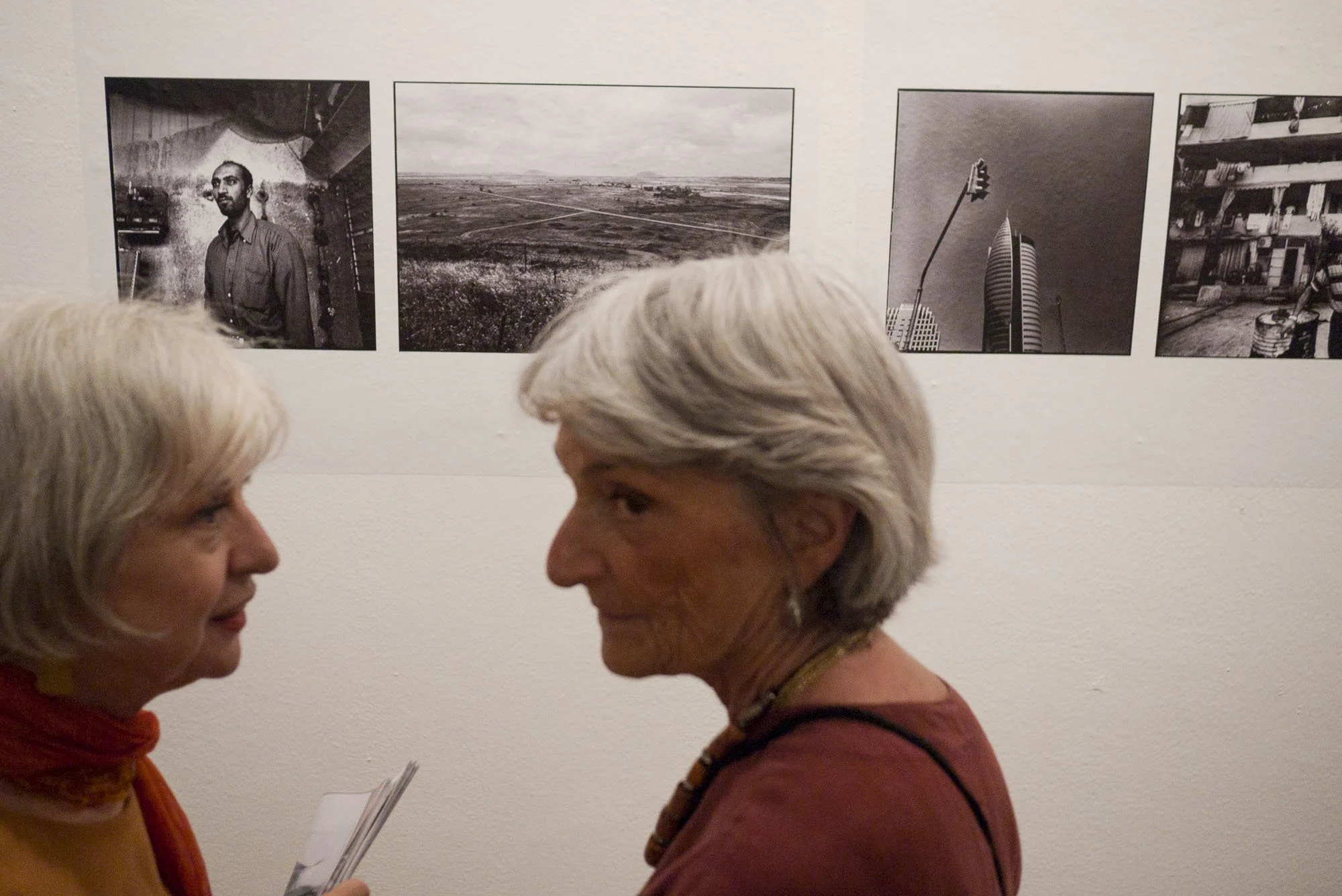
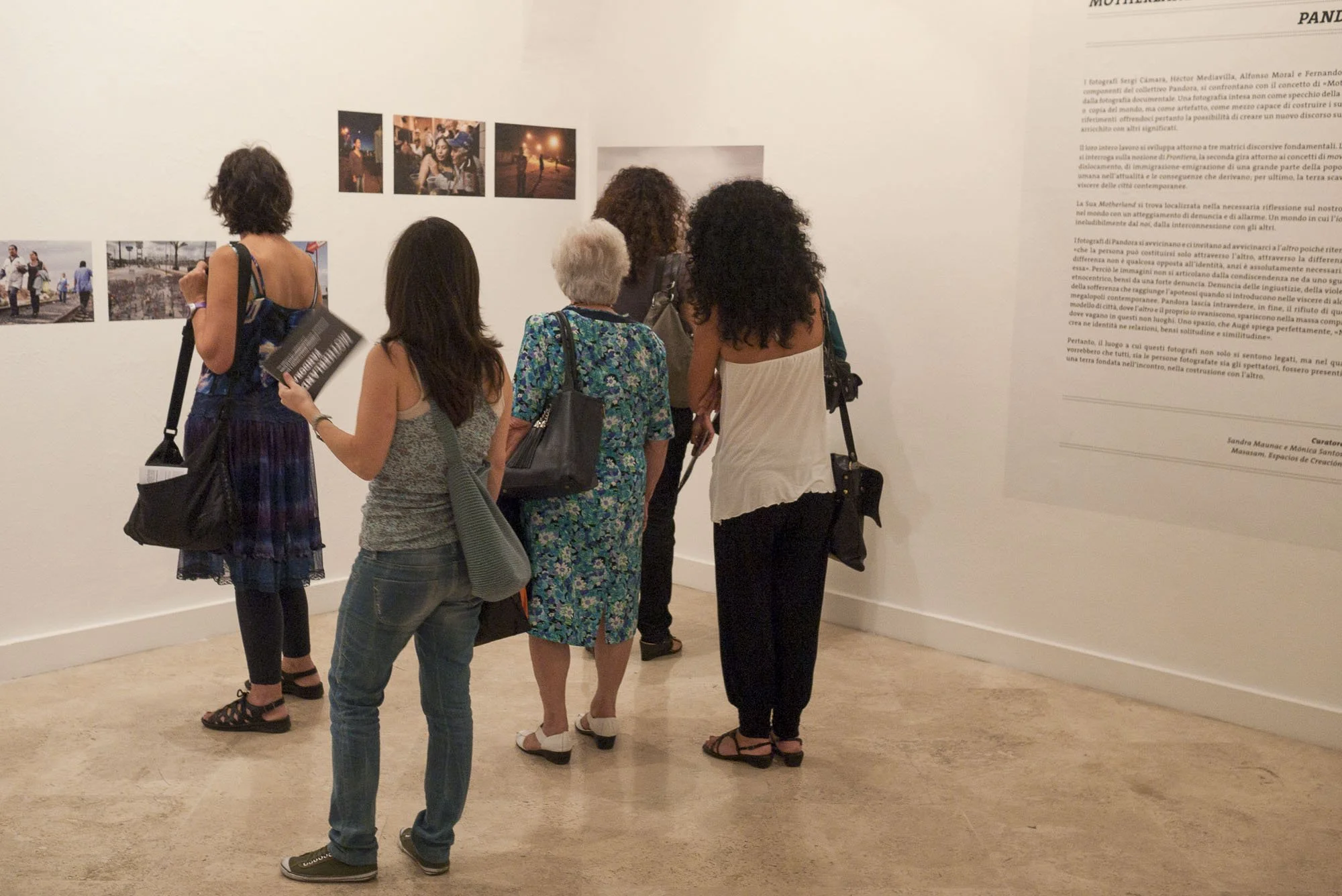
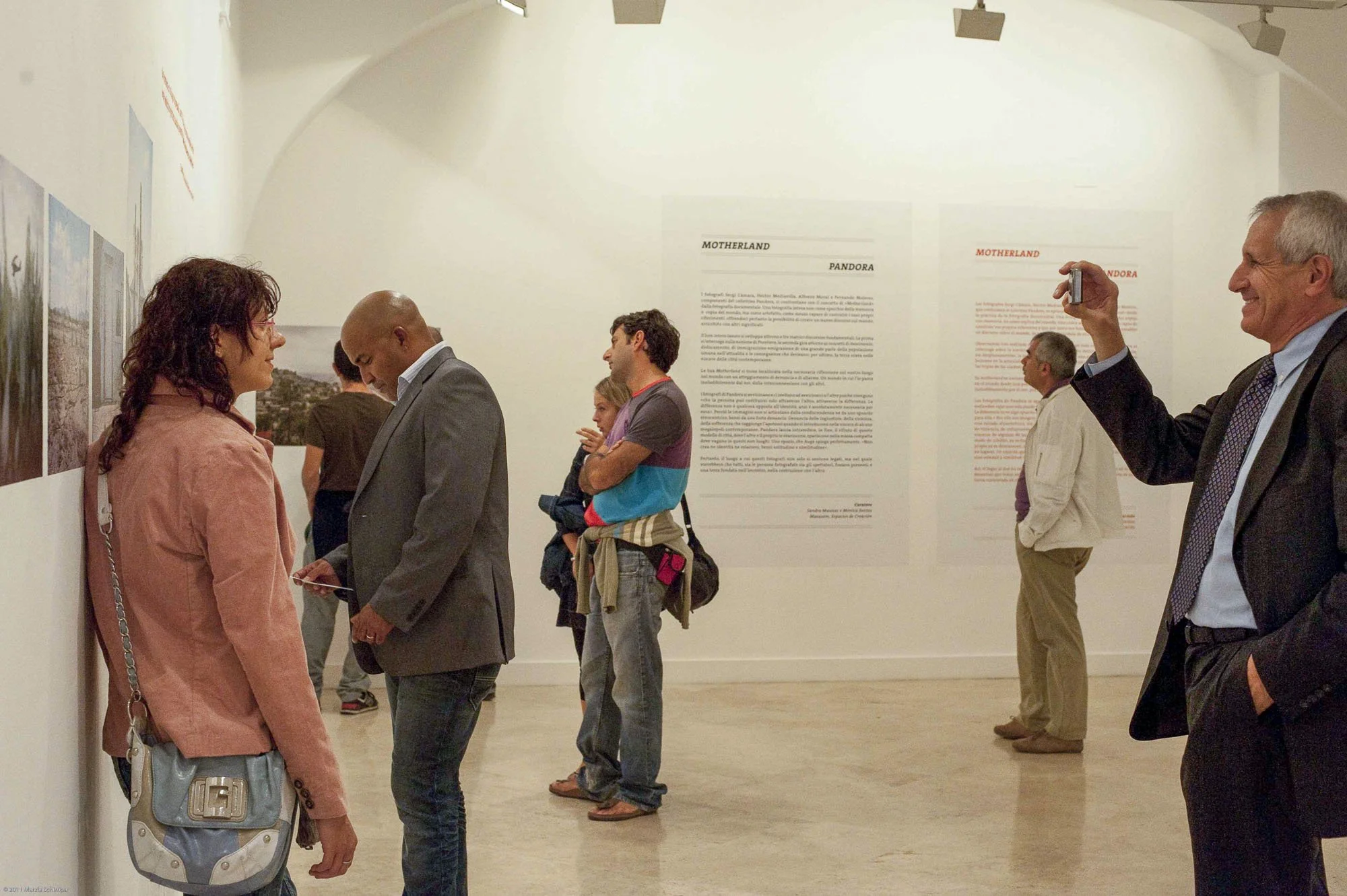
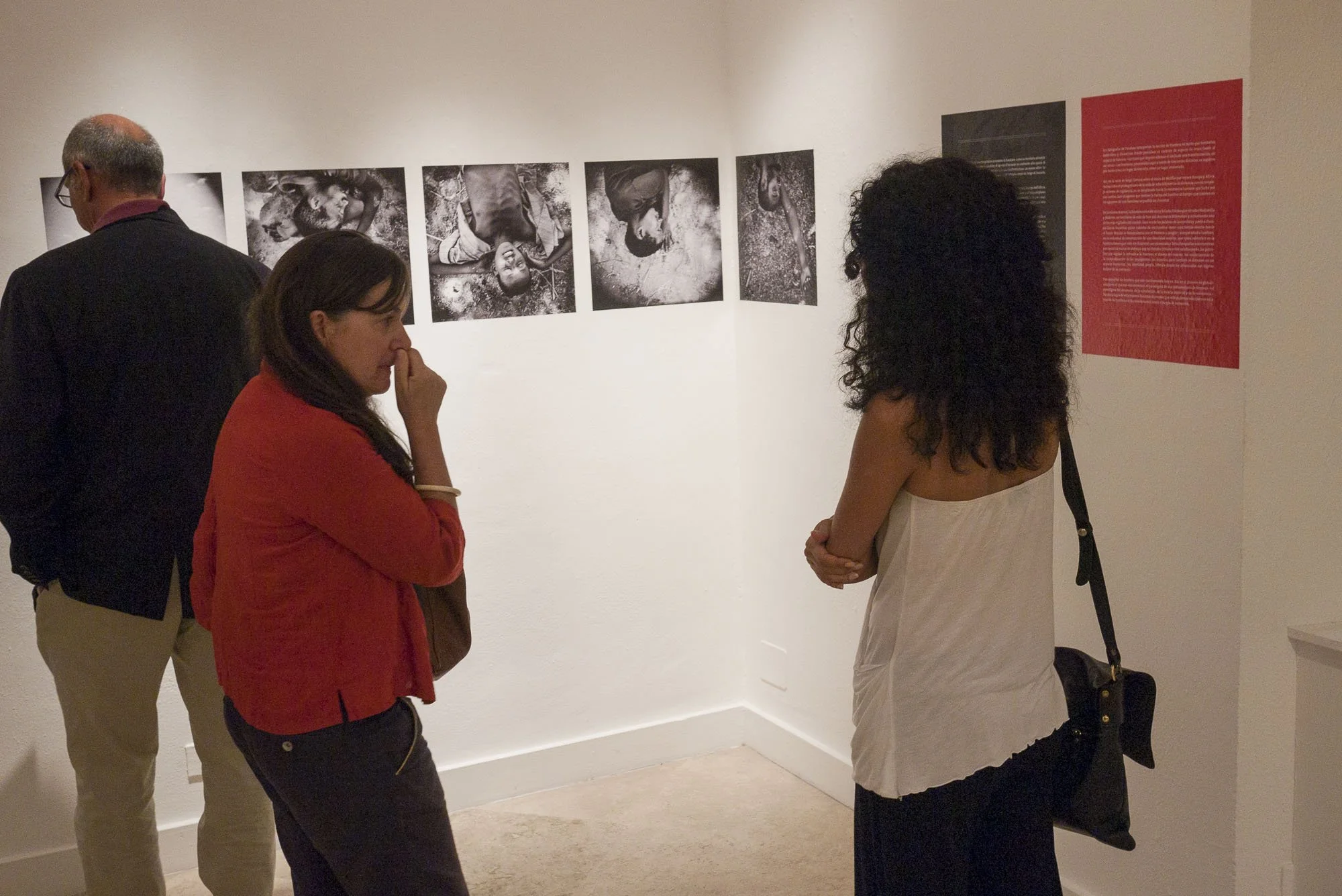
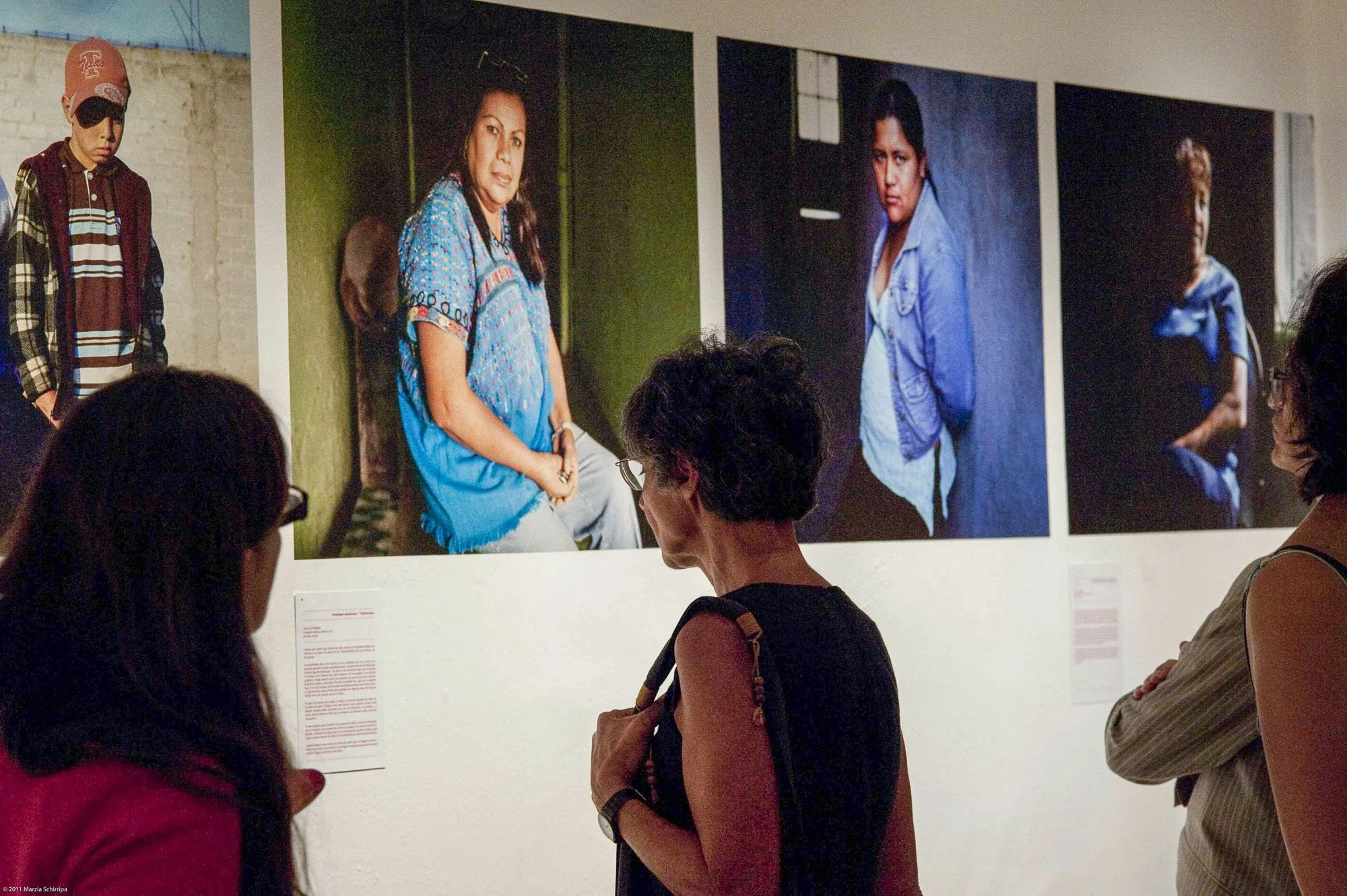
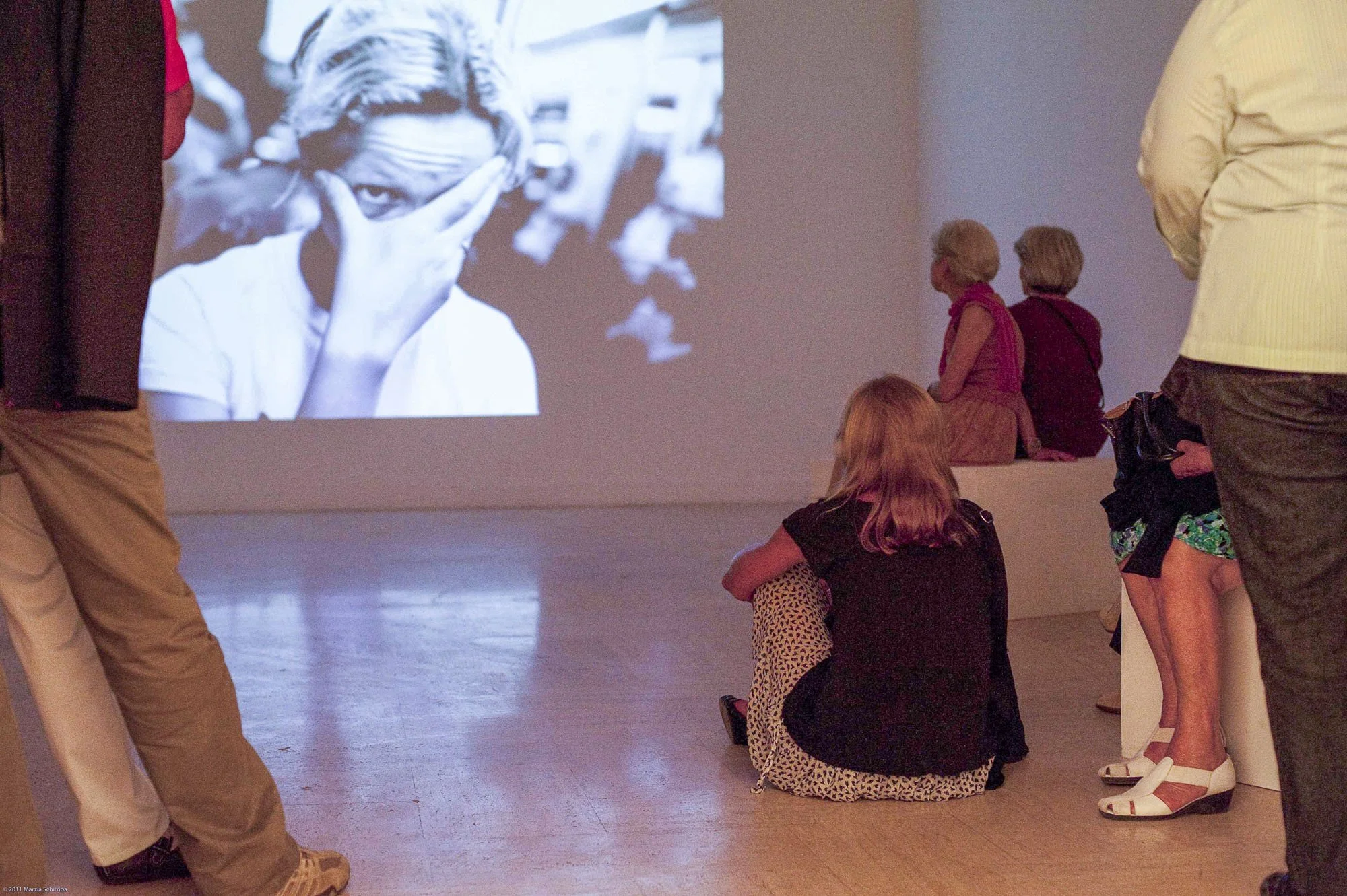
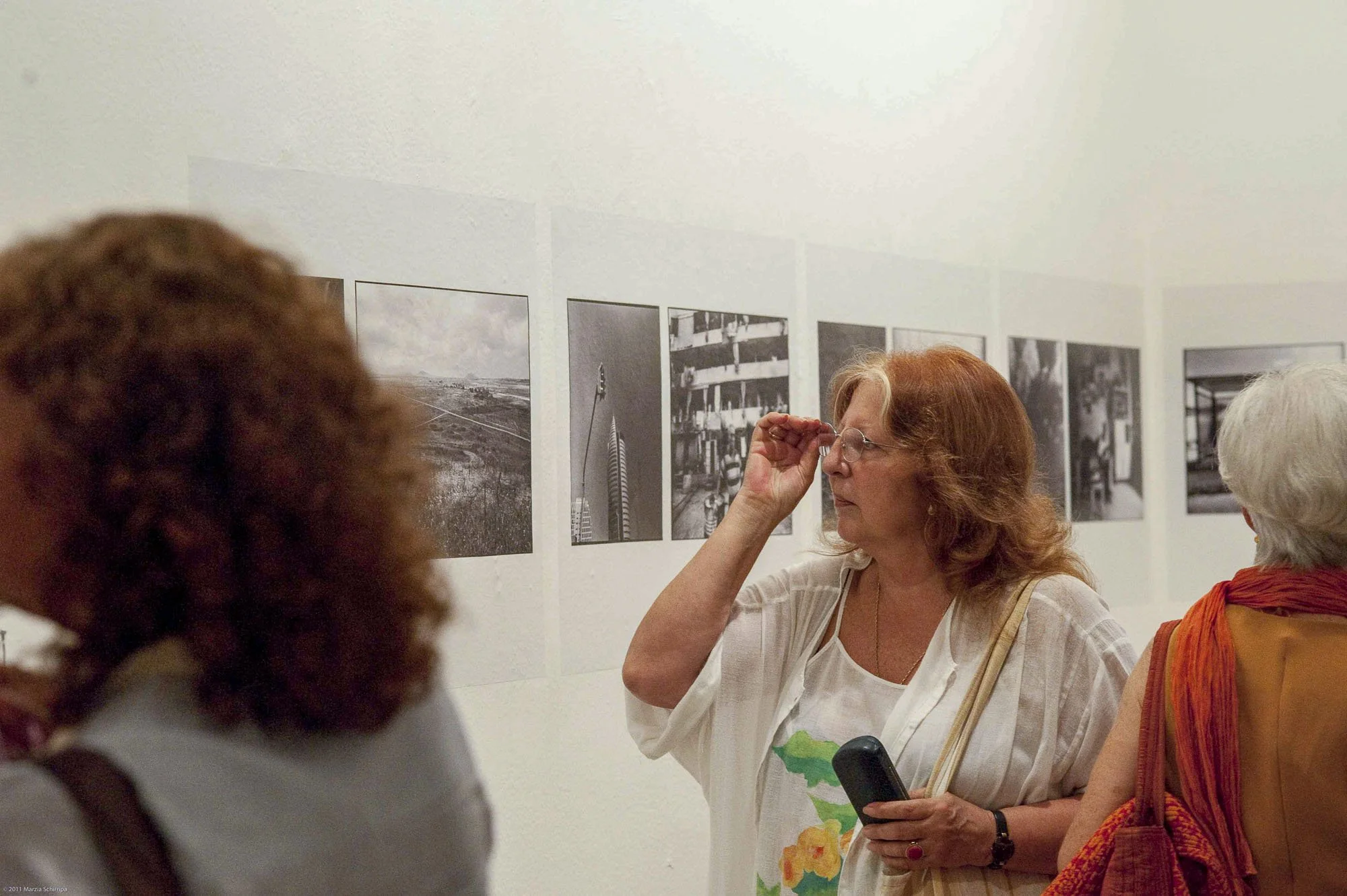
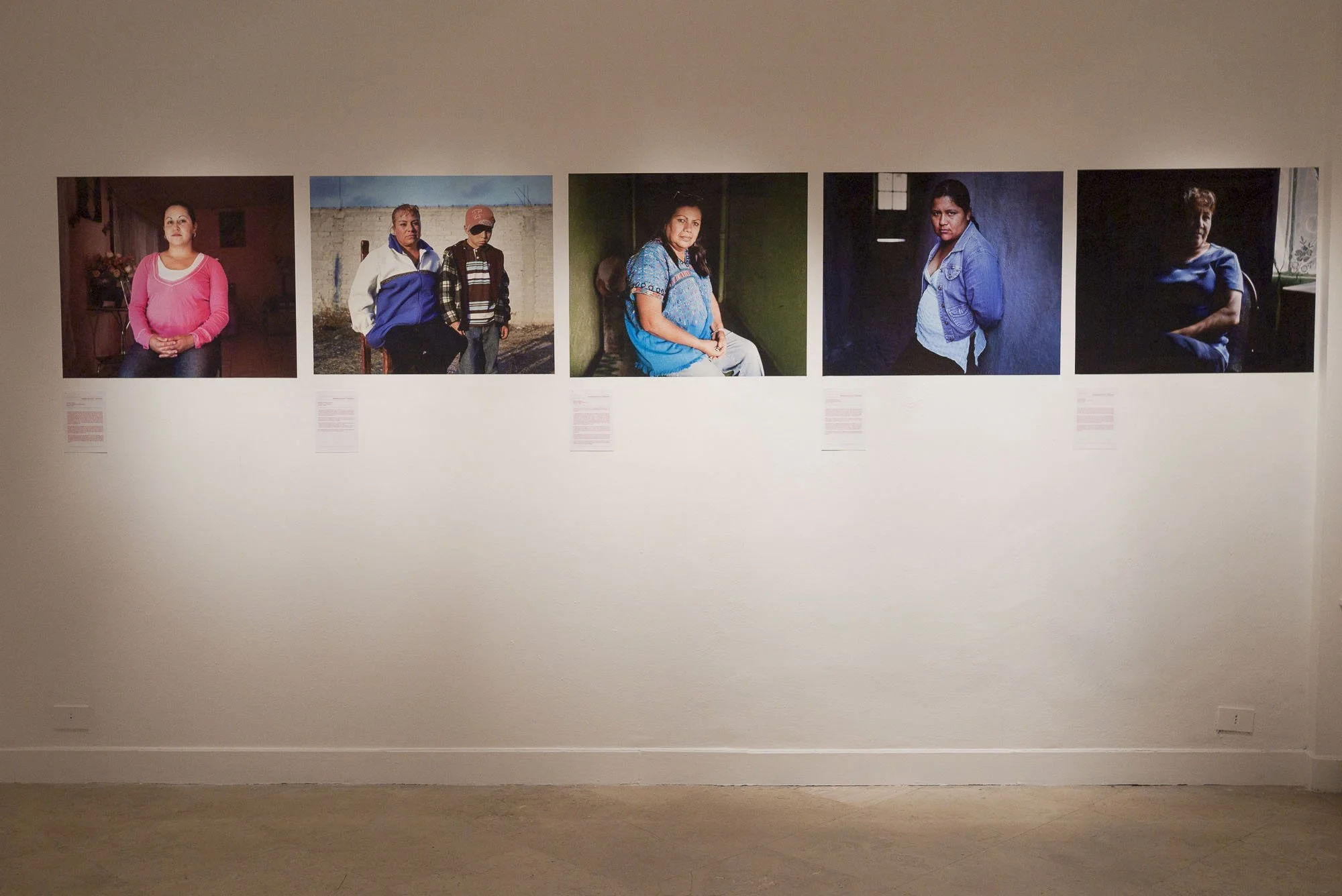
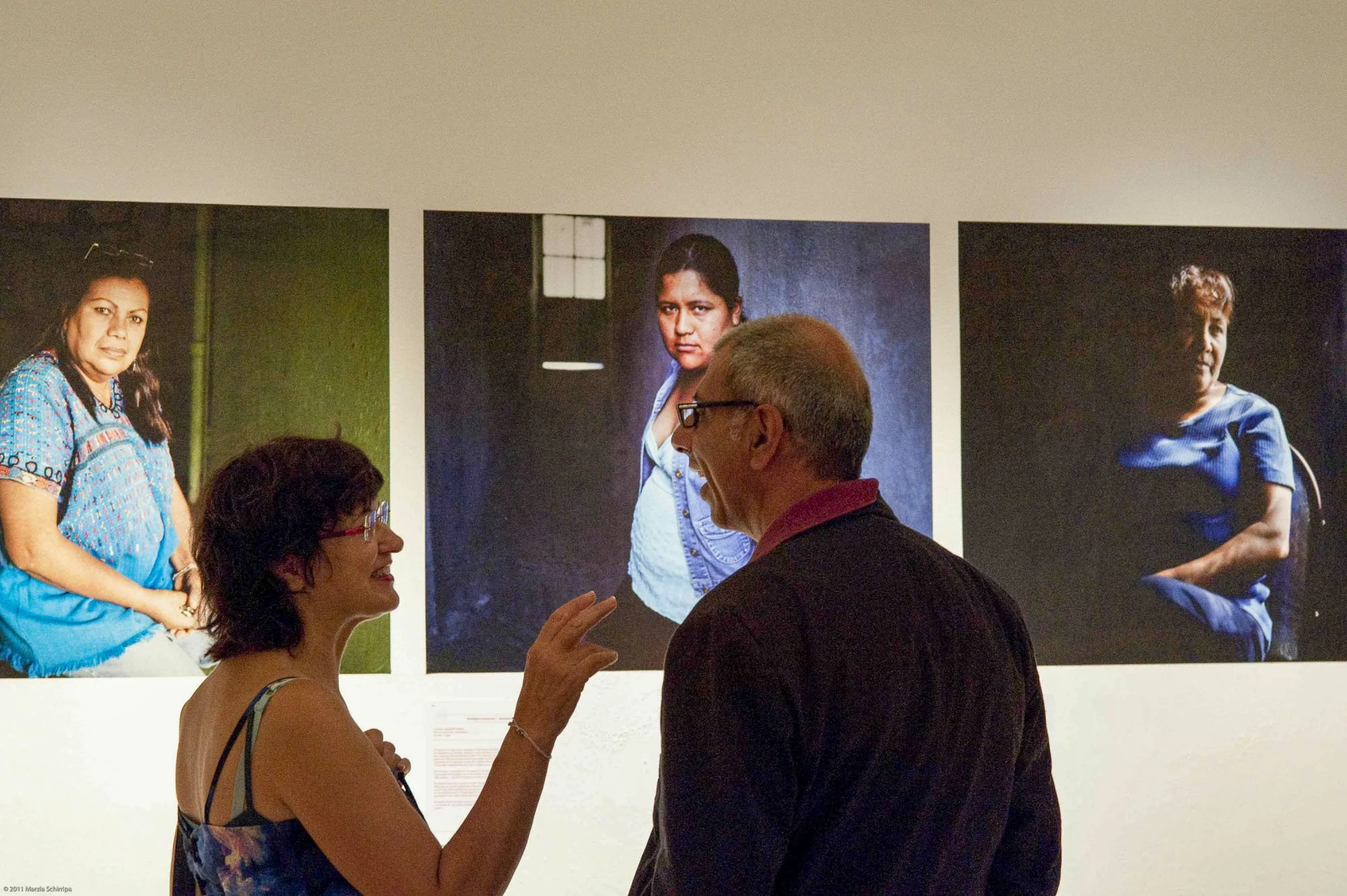
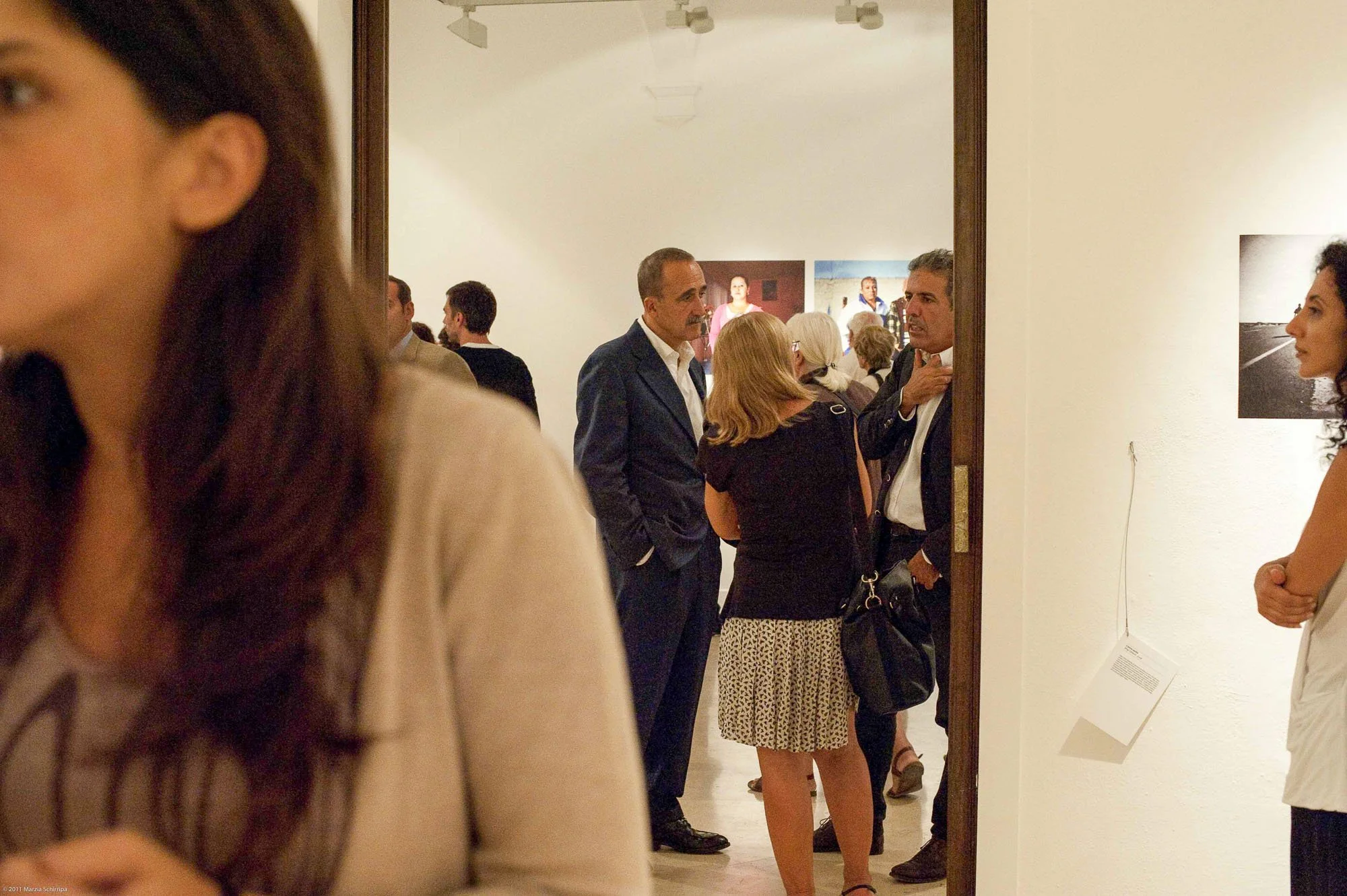
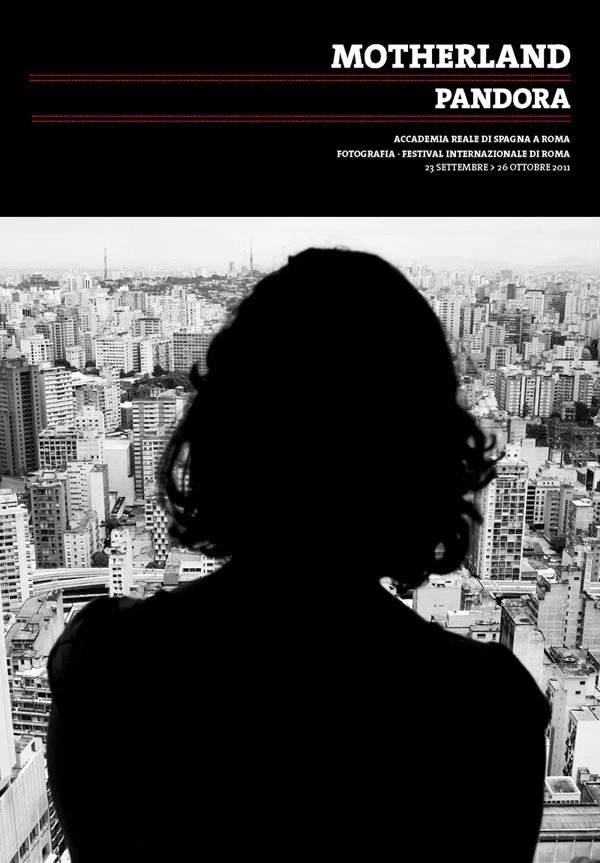
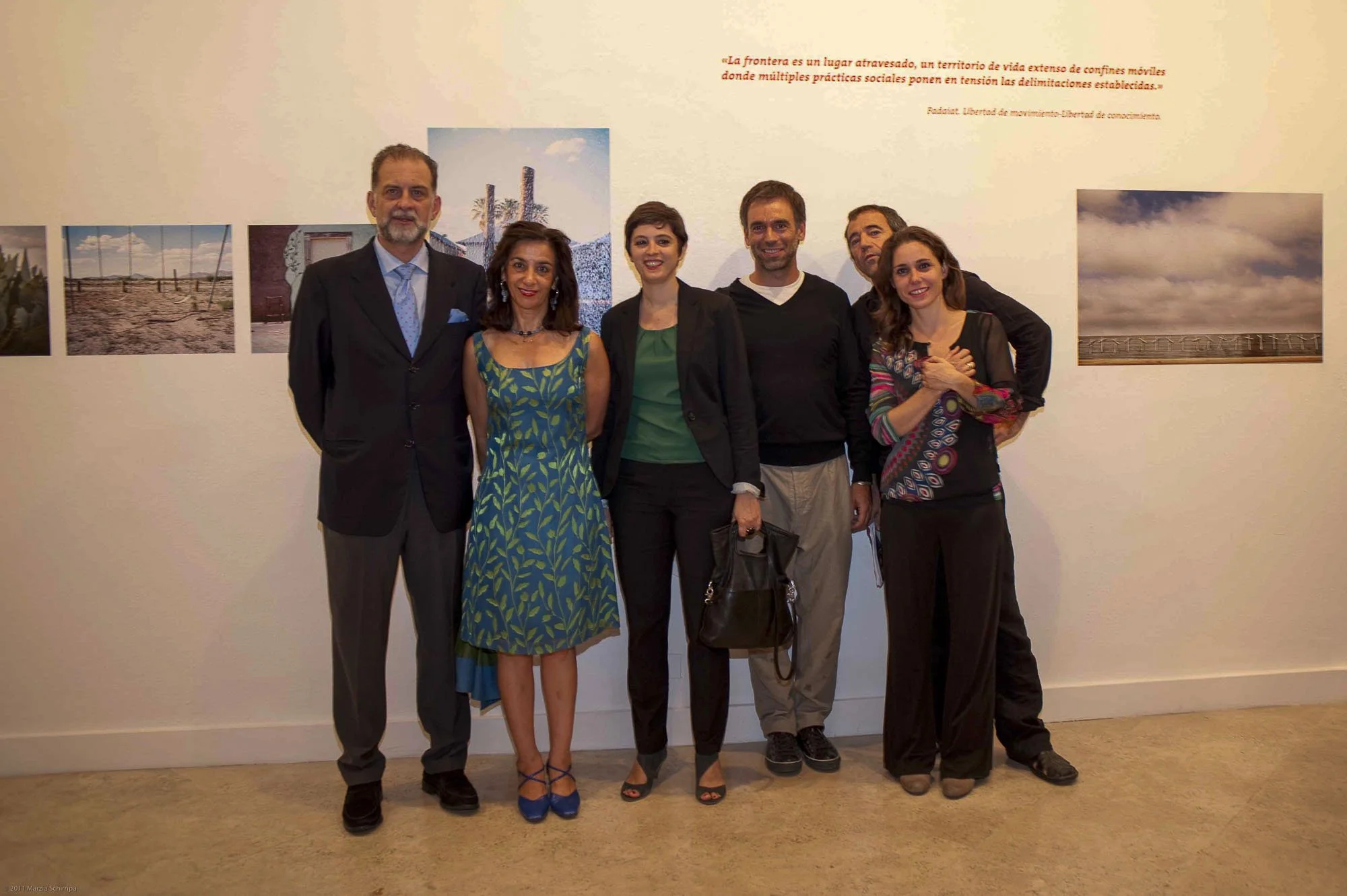
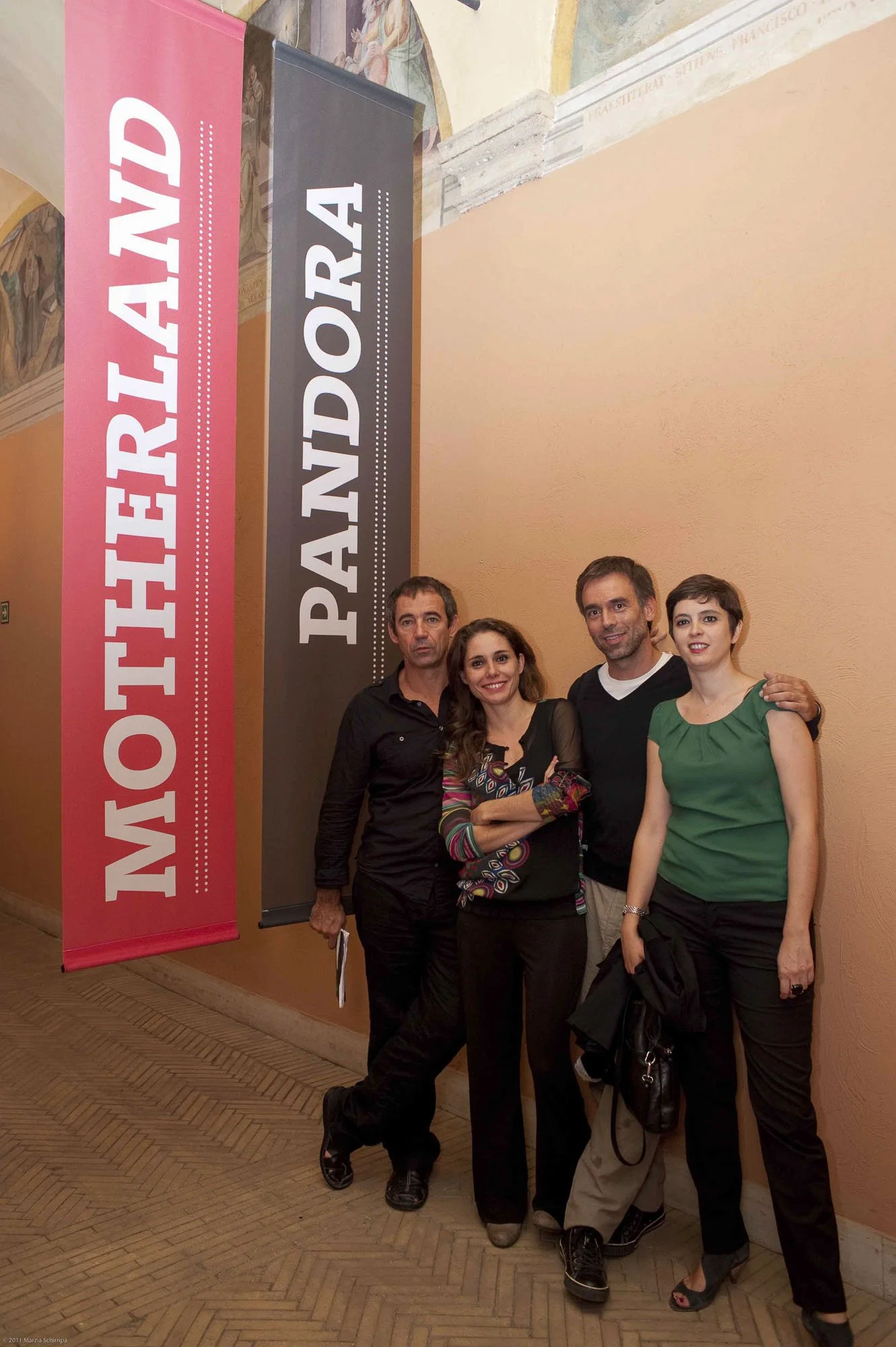
MOTHERLAND exhibition at Royal Academy of Spain in the Rome Photography Festival.
The theme of the Festival’s 10th edition is MOTHERLAND, a word that should stimulate an analysis of the relationship between land and identity, between territory and values, between roots and the complexity of contemporary life, with a special focus on Italy, which this year is celebrating its first century and a half of unity.
In this way, the Festival will address the special relationship between photography and territory (in the deepest sense of the word), based on an analysis of the strong ties between the artists and the places to which they feel they belong, and in many cases identification itself. Each one replies in his or her own way. They investigate lands they belong to – old or brand new, large or small, real or virtual – with absolutely personal documentation, fruit of their own lives and of their need to return or depart. “Motherland” is a frequent theme in photography, and today we’re treating it in relation to the creation of ever new identities in a world that’s been thoroughly explored and technologized, but where the need to investigate new “lands,” to seek one’s own land, is back in strength.
Pandora — Rethinking the Idea of Motherland
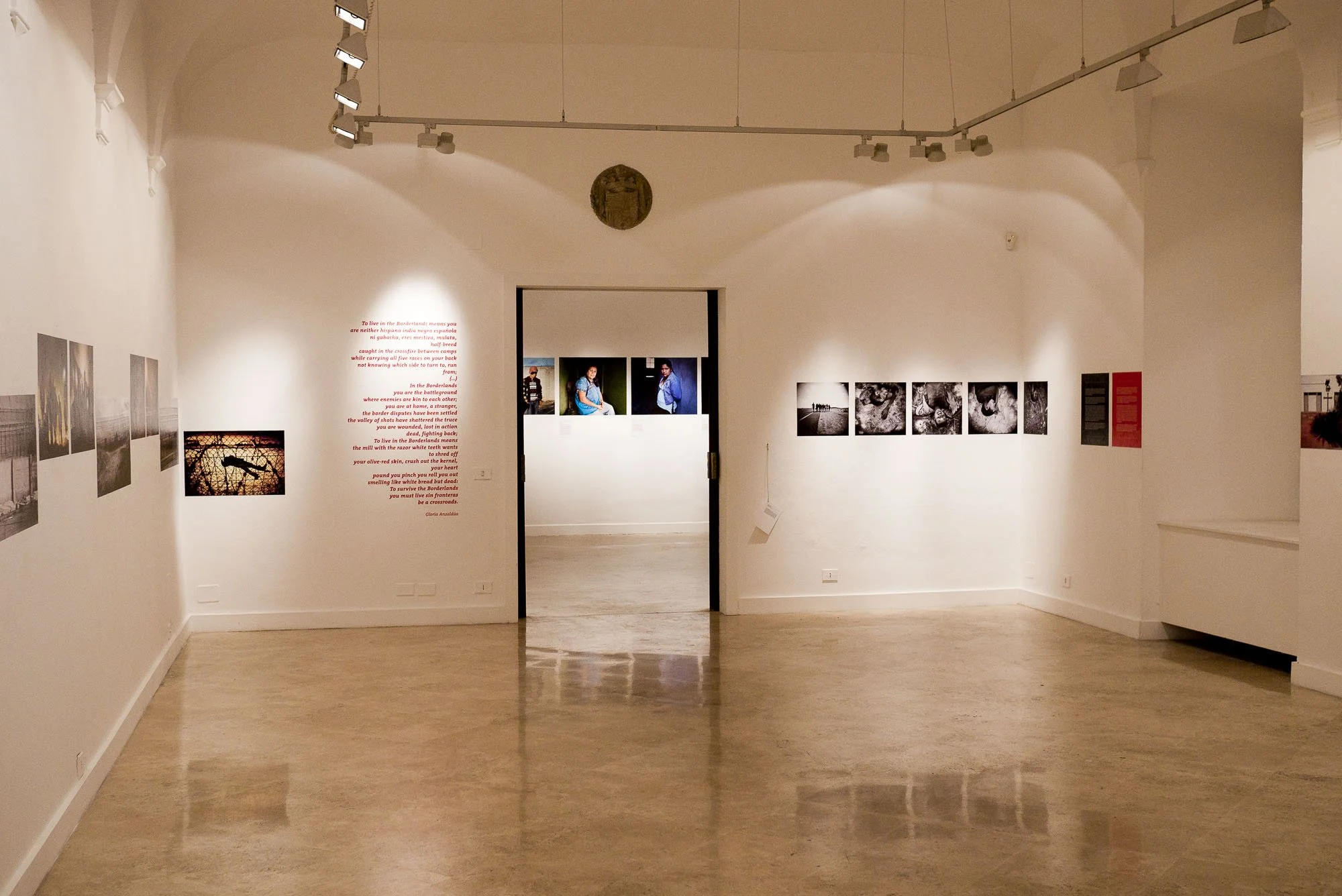
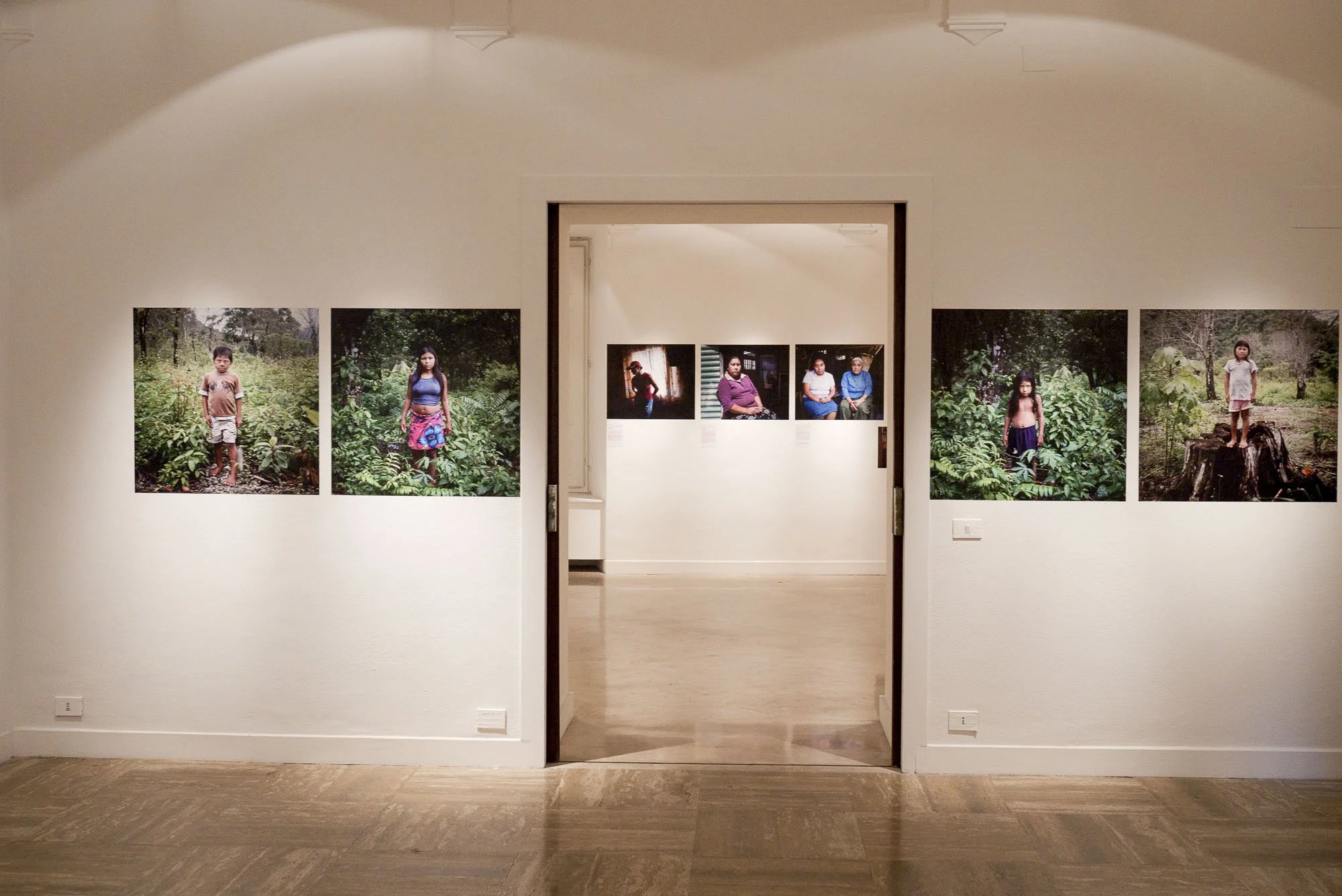
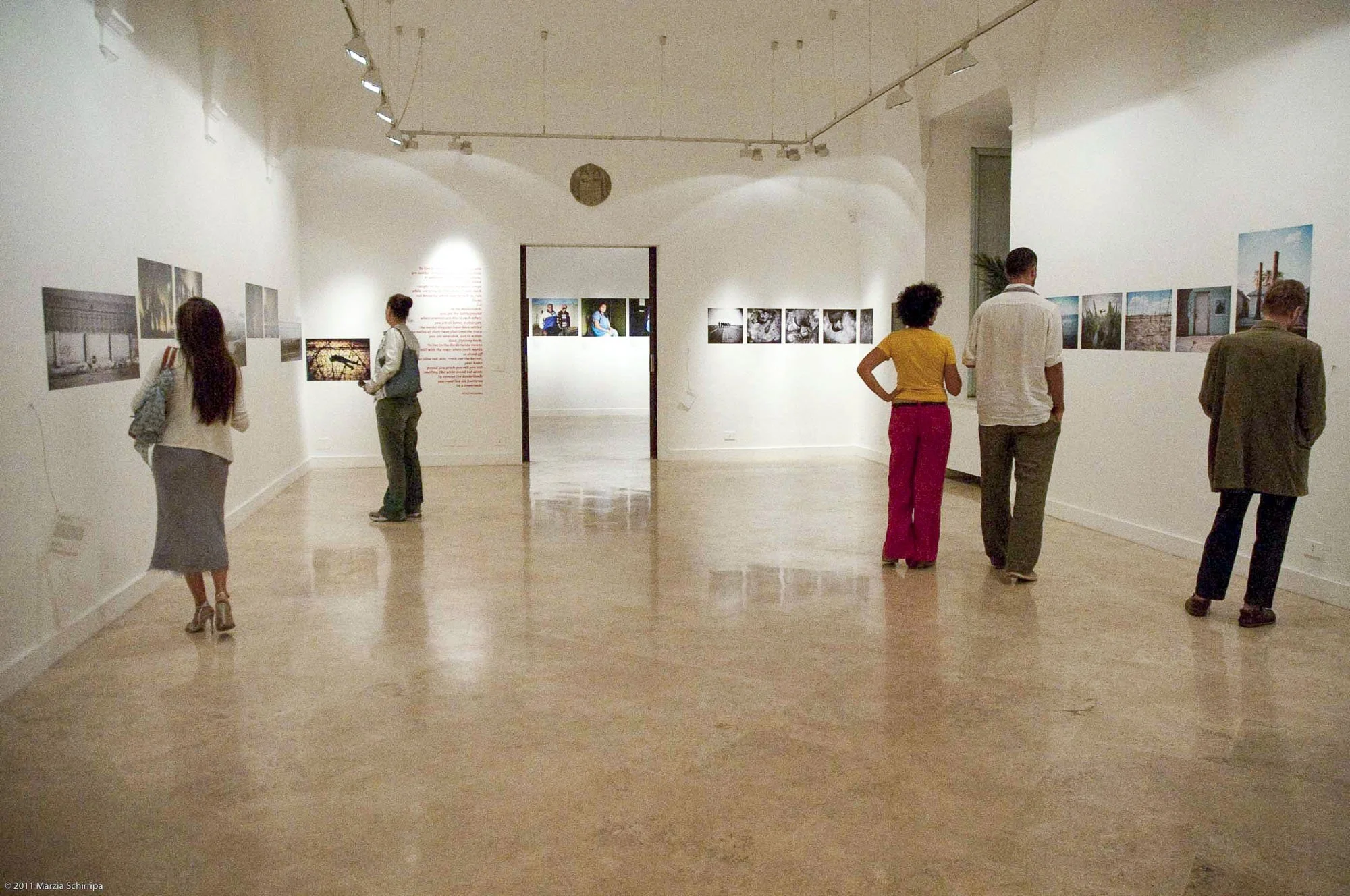
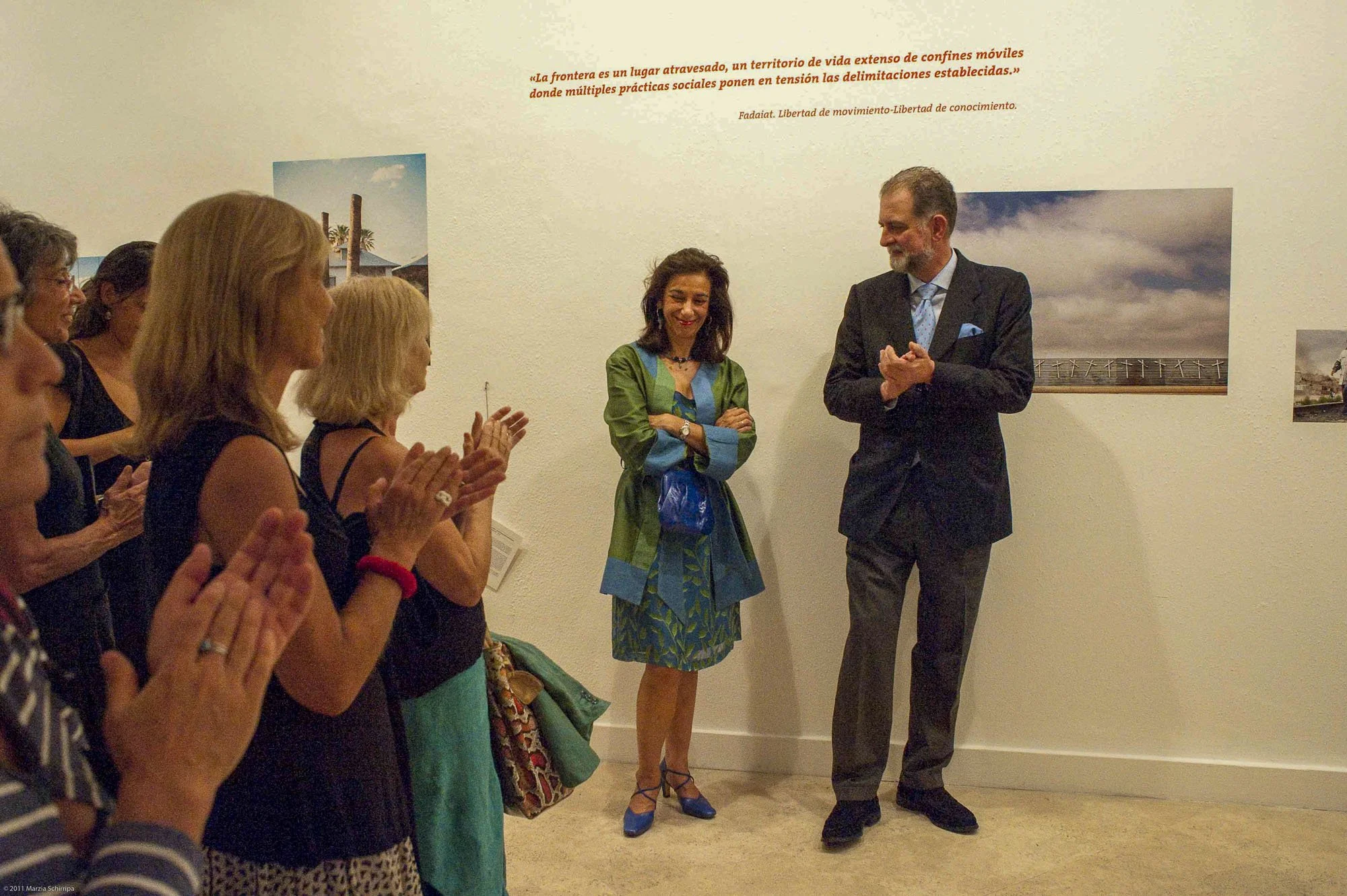
Pandora collective brought together the work of Sergi Cámara, Héctor Mediavilla, Fernando Moleres, and Alfonso Moral, curated by Masasam, and presented at the Royal Academy of Spain in Rome.
The project explored a central question: to which land do we belong? Through both individual and collective works, the photographers engaged with the concept of Motherland—the theme of the 10th edition of the Rome Photography Festival—from a documentary perspective.
However, this approach moved beyond the idea of photography as a mere reflection of reality. Instead, it positioned the medium as a tool capable of constructing meaning—reimagining the world and opening new ways of understanding it.
Territory, Movement, and the Contemporary City
Although the four photographers were born in different regions of Spain, they all settled in Catalonia, where they founded the Pandora Collective in 2001. Their shared aim was to bring together distinct ways of seeing in order to reveal different dimensions of the social and political issues shaping the contemporary world.
Three recurring themes emerged throughout their work. The first questioned the notion of borders; the second addressed migration and displacement—processes that affect vast portions of the global population and carry complex consequences. The third turned its focus toward the inner life of modern megacities.
A Collective Sense of Belonging
Within this framework, the idea of Motherland became less about geography and more about a critical reflection on our place in the world. Their work conveyed a sense of urgency and social awareness, shaped by the interconnectedness of contemporary societies.
Ultimately, the project suggested a shift from the individual to the collective: in a globalized world defined by shared responsibility, the “I” inevitably becomes “we.”